
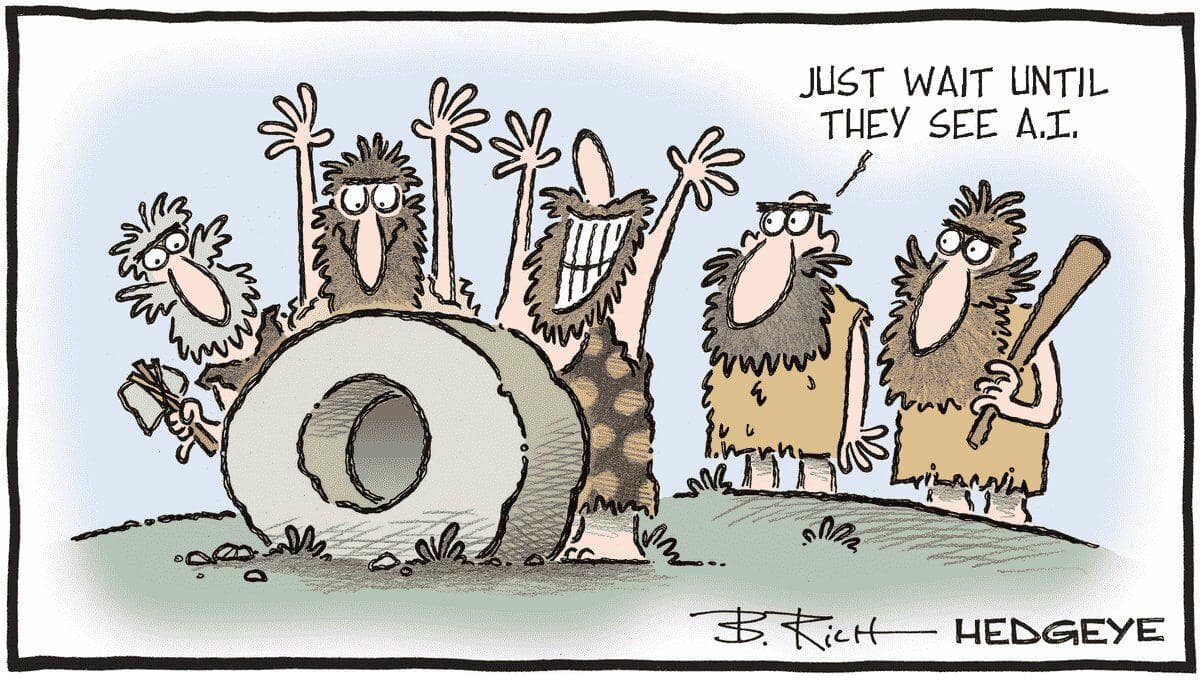
AI Boom vs Internet Bubble
The comparisons are inevitable. A transformative technology. Soaring stock prices. Massive capital expenditure. Talk of a "new paradigm." If you lived through the late 1990s, the current AI investment cycle feels familiar. But is the comparison fair?
The Parallels
There are genuine similarities between the AI boom and the internet bubble:
- Concentrated gains: A small number of companies are driving the majority of market returns, just as in 1999.
- Massive CapEx: Companies are spending tens of billions on AI infrastructure, often before the revenue materializes.
- Narrative-driven valuations: Some companies are being valued on what they might become, not what they currently earn.
The Differences
But there are important differences that make a direct comparison misleading:
- Real revenue and earnings: Unlike the dot-com era, the leading AI companies are generating enormous cash flows. These are not speculative startups — they are among the most profitable businesses in history.
- Proven technology: AI is already being deployed at scale across industries, from healthcare to finance to manufacturing. The internet in 1999 was still finding its use cases.
- Market structure: Today's markets are more institutional, more liquid, and better regulated than in the late 1990s.
What It Means for Your Portfolio
We are not dismissing the risks of concentration or stretched valuations. But we also recognize that the AI investment cycle is different in meaningful ways.
Our approach:
- Maintain diversification across sectors and geographies
- Own the beneficiaries of AI adoption, not just the hype
- Rebalance systematically to manage concentration risk
- Stay focused on your financial plan, not market narratives
The Takeaway
Every transformative technology creates both opportunity and excess. The key is distinguishing between the two — and having a plan that does not depend on getting the timing right.
Past performance is not indicative of future results. All investing involves risk, including the possible loss of principal.